How to Implement AI in a Company: The Framework That Works in 4 Phases
Most companies that fail at artificial intelligence adoption don't fail because of the technology. They fail because they started in the wrong place.
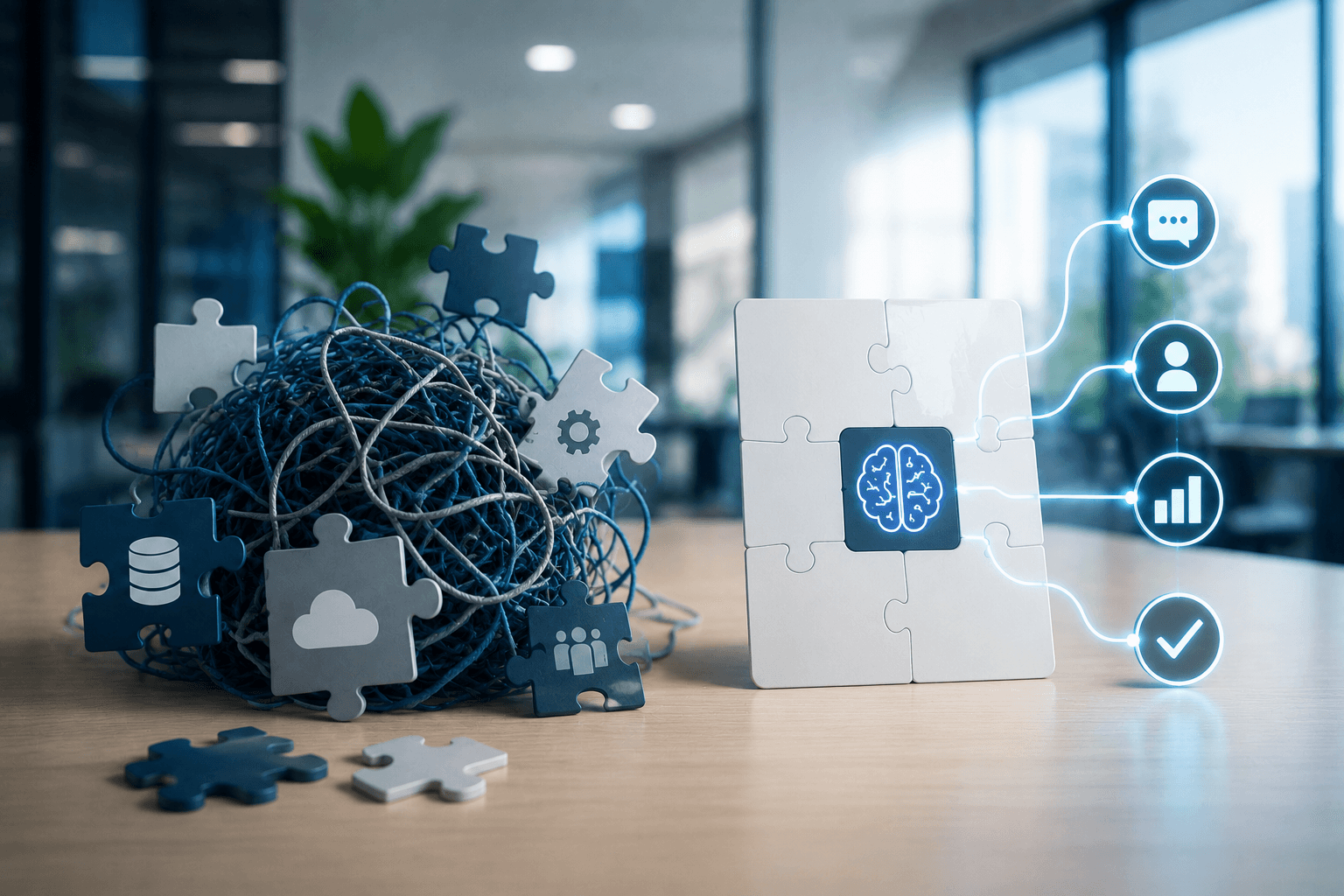
They buy a tool, hire a consultant, launch a pilot without clear ownership, and three months later the project is shelved. AI becomes "something that didn't work for us." The problem isn't AI. It's the order in which it gets implemented.
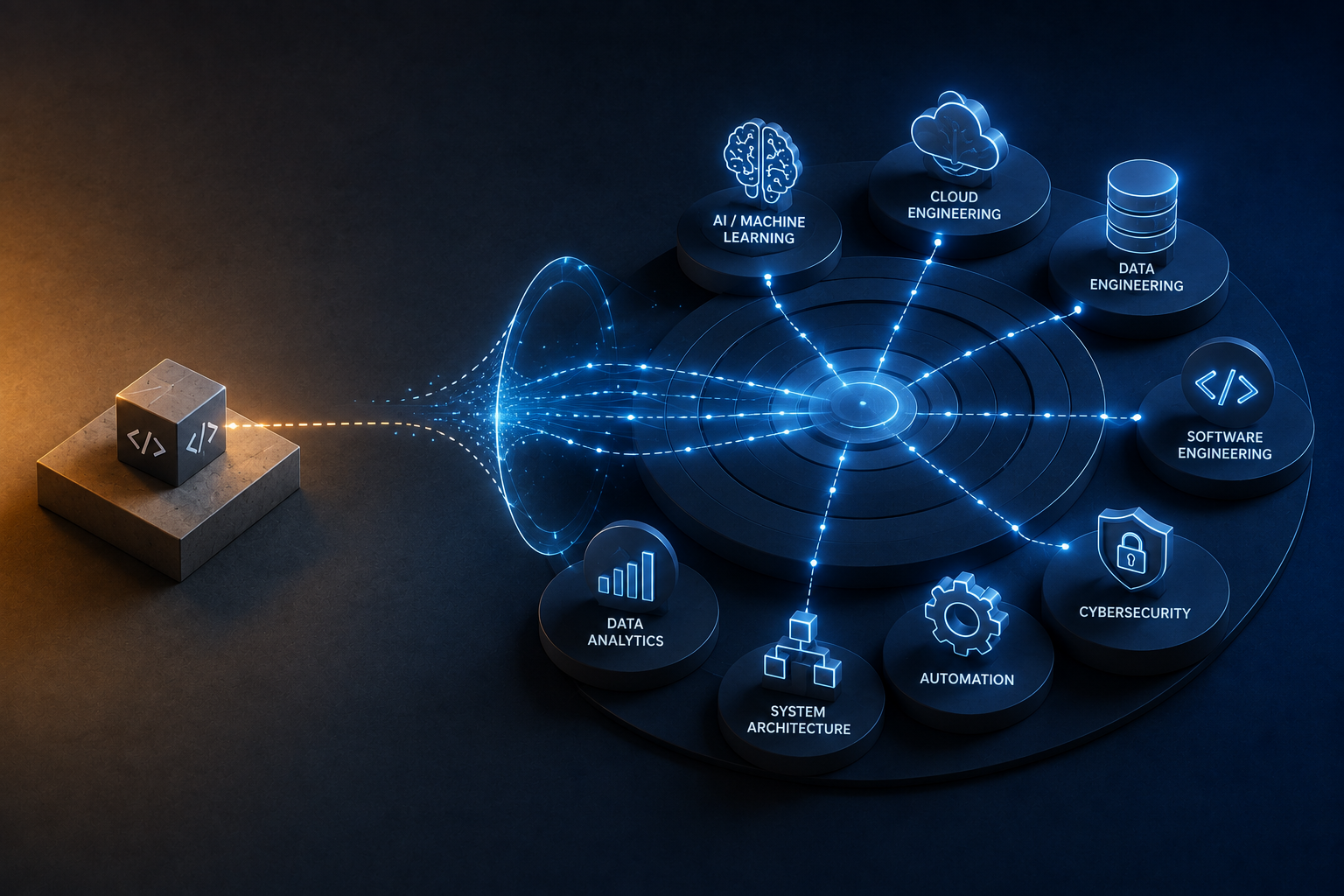
Implementing AI in a company isn't a technology project. It's a process transformation project. That distinction is the difference between a pilot that scales and one that becomes a line item in last year's budget.
Why Most AI Implementations in Companies Fail
The same mistakes repeat with remarkable consistency.
Adopting tools before mapping processes. The market offers hundreds of AI solutions. Many companies choose one because of its popularity or because the CEO saw it at a conference — without knowing exactly which process it will improve or who will measure the outcome.
Launching pilots without ownership. An AI pilot without a designated owner has about the same odds of surviving as a project without a budget. Someone has to own the result.
Underestimating data quality. AI doesn't create information where none exists. If current processes generate messy, incomplete, or siloed data, any model will produce low-quality results. Garbage in, garbage out.
Trying to scale before learning. Companies that implement AI most successfully start with one small use case, execute it well, learn from it, and only then scale. Those that fail try to do everything at once.
The 4 Phases to Implement Artificial Intelligence in a Company with Real Results
Phase 1: Diagnosis and AI Process Mapping
Before choosing any tool, the first step is mapping the processes that consume the most time, generate the most errors, or create the most friction. Not every process is an ideal AI candidate. The best candidates share three characteristics: they are repetitive, they have clear rules, and they generate data.
The diagnostic phase answers three questions: What process are we going to automate or improve? What data do we have today? How will we measure success?
Phase 2: Selecting the Initial AI Use Case
The initial use case doesn't need to be the most ambitious. It needs to generate the fastest ROI with the lowest risk. A well-chosen use case has three attributes: visible impact, available data, and low organizational resistance.
The most common use cases in mid-size and large companies include report automation, support ticket classification, document processing, internal knowledge assistants, and structured content generation.
Phase 3: Fast AI Pilot
The pilot should be time-bound (6 to 12 weeks maximum), scope-bound (one process, one team, one measurable outcome), and have a clear owner. During the pilot, the model is validated, adjusted with real feedback, and learnings are documented.
A successful pilot isn't one that produces perfect results. It's one that generates learnings that enable confident scaling.
Phase 4: Scaling and Integrating AI into Operations
Once the pilot is validated, the next phase is integrating it into the real workflow. This means connecting the AI solution with existing systems (ERP, CRM, BI), training the team that will use it, and defining monitoring metrics. AI that isn't integrated into daily operations doesn't generate sustained value.
What Types of AI Can a Company Implement Today
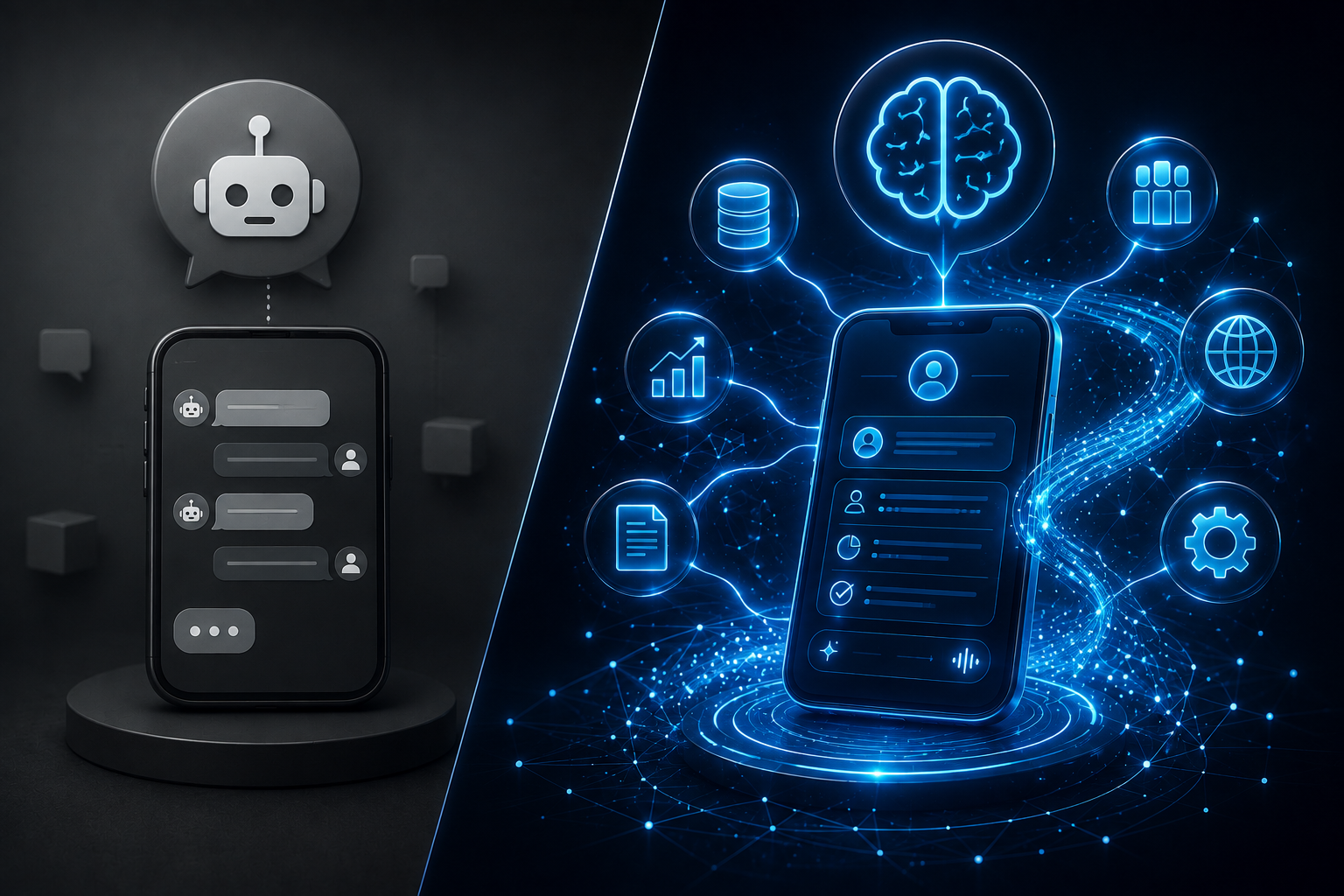
Not all AI is the same. Companies that implement artificial intelligence most successfully choose the right type for each problem.
Clarika works with all three types. Every implementation starts from a real process diagnosis, not a predefined technology. Learn more about AI Process Automation, AI Conversational Assistants, and AI Data Workflows.
How Long Does It Take a Company to Implement AI
An initial AI pilot takes between 6 and 12 weeks. That includes diagnosis, configuration, basic integration, and validation with real data. Full-scale implementation, with multiple integrated processes and trained teams, can take between 3 and 6 months depending on organizational complexity.
Implementation time depends on three main factors: the quality of existing data, the complexity of the chosen process, and the level of integration with current systems.
Companies that try to accelerate that curve by skipping the diagnosis and pilot phases tend to end up with fragile implementations that work in demos but not in production.
Frequently Asked Questions About Implementing AI in Companies
Does a company need its own technology team to implement AI?
Not necessarily. Many implementations are carried out with the support of a technology partner who manages configuration, integration, and maintenance. What the company does need is an internal owner of the process and a willingness to share real data.
What happens with confidential data?
Corporate AI implementations work with data hosted in the company's own infrastructure or in secure environments. Data privacy is a design consideration, not a problem that appears at the end.
Where does a company that has never used AI start?
With a diagnosis. The first step is always identifying which process generates the most friction or consumes the most time without adding differential value. That is the ideal entry point for a first implementation.
Does AI replace employees?
In most corporate AI implementation scenarios, AI frees up time from repetitive tasks so teams can focus on higher-value work. Mass role replacement doesn't correspond to the operational reality of mid-size and large companies.
What is the ROI of implementing AI in a company?
It depends on the process. Report automation or data classification can show returns within weeks. More complex implementations — conversational assistants, predictive workflows — typically show clear ROI within 3 to 6 months.
If your company is evaluating how to take the first step with artificial intelligence, the starting point isn't choosing a tool. It's understanding which process you're going to transform and what data you have today.
At Clarika, we work with companies across industries to design and implement AI solutions that integrate into real operations.
Schedule a Discovery Call →Written by Manuel Aliaga, CEO & Co-Founder of Clarika
About this article
Category
AI Transformation
Published
August 25, 2026
Reading time
5 min read
Ready to transform your business?
Talk to our team about AI and software solutions tailored to your industry.
Book a Discovery CallMore articles