How to Improve the Efficiency of a Development Team with AI
Welcome to the exciting world of AI-enhanced development teams! In our ever-evolving tech landscape, artificial intelligence (AI) has emerged as a game-changer, especially in enhancing the efficiency of development teams. From streamlining code reviews to automating mundane tasks, AI tools are not just improving productivity but also boosting innovation and accuracy in project outcomes. Whether you're managing a small group or a large ensemble, integrating AI into your work processes can significantly uplift your team's performance and foster a culture of smart collaboration.
Understanding the Role of AI in Development Teams
The integration of AI into development teams holds immense potential to revolutionize the way projects are managed and executed. AI can assist development teams by automating mundane tasks, enhancing decision-making processes, and providing insightful analytics, allowing team members to focus on more complex problems and innovation. The overarching goal is not to replace human expertise but to augment it with AI's data-processing and pattern-recognition capabilities.
Benefits of AI Integration in Development
- Increased Efficiency: AI streamlines workflows by automating routine tasks such as code generation and testing, which reduces the time to market for software projects.
- Improved Accuracy: AI tools help minimize human errors by providing more precise code analysis and bug detection.
- Enhanced Collaboration: By handling tedious tasks, AI allows team members to concentrate on intricate aspects of projects that require human insight.
- Advanced Problem Solving: AI can analyze vast amounts of data to offer solutions or optimizations that may not be immediately apparent to human developers.
Examples of AI Tools for Team Efficiency
- Automated Code Reviewers: Tools like GitHub Copilot and CodeClimate use AI to analyze and critique code, suggesting improvements and identifying potential errors before deployment.
- Predictive Analytics Tools: Using predictive models, tools like Pivotal Tracker help foresee project bottlenecks and recommend resource reallocations.
- AI-enhanced IDEs: IDEs such as Kite use AI to provide real-time suggestions and documentation help to developers as they code.
Implementing AI in Teamwork
Training Your Team to Work with AI
- Workshops and Seminars: Conduct training sessions focused on the basics of AI and machine learning, emphasizing how these can be applied in daily tasks.
- Hands-on Training: Allow team members to use AI tools in controlled settings before full deployment.
- Continuous Learning: Ongoing education on the latest AI advancements should be integrated into the team's routine.
Overcoming Challenges in AI Implementation
- Iterative Integration: Start with small-scale AI implementations; this allows the team to adapt gradually.
- Transparency: Communicate the benefits and potential impacts of AI tools, and involve the team in decision-making processes.
- Support Structures: Set up a support system where team members can express concerns and obtain help.
Streamlining Processes with Automation
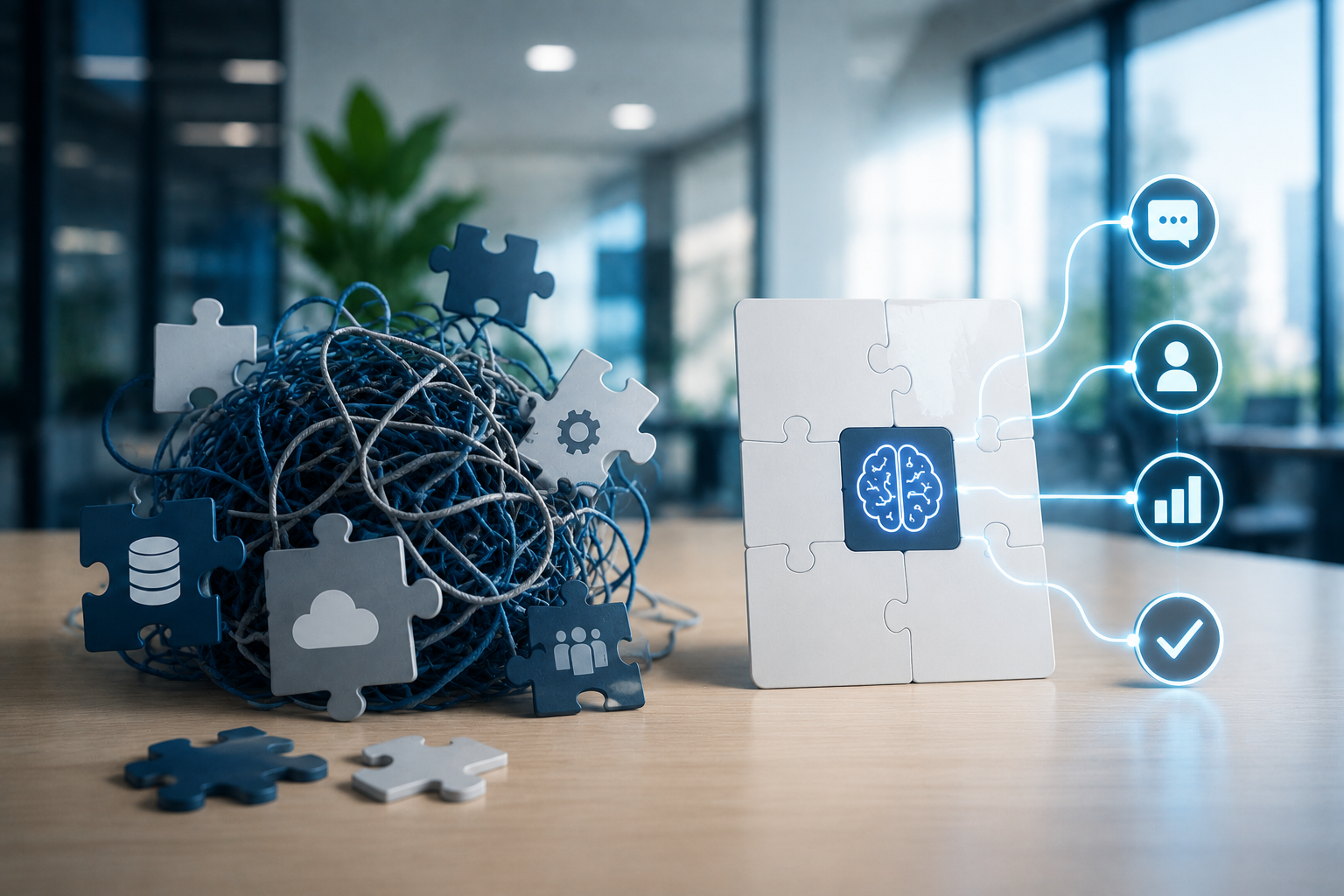
Integrating AI into development workflows can significantly enhance efficiency by automating routine and repetitive tasks. This allows team members to focus on more complex and creative aspects of their projects. Automated testing tools powered by AI can also be incredibly beneficial, executing tests that would otherwise consume substantial human resources.
Enhancing Communication and Collaboration
AI-enhanced communication tools can translate conversations in real-time, breaking down language barriers within globally distributed teams. Collaboration tools driven by AI can suggest edits, recommend best practices, and even predict project needs based on data from past projects.
Monitoring and Analyzing Team Performance
Through machine learning algorithms, AI systems can analyze historical performance data to identify patterns, strengths, and areas for improvement. Real-time monitoring tools powered by AI provide managers with ongoing assessments of team dynamics and project status.
Future Trends in AI for Development Teams
AI-Driven Project Management Solutions
Looking ahead, AI-driven project management solutions are set to transform how development teams operate. These advanced systems will use AI to oversee projects from initiation to completion, ensuring optimal resource allocation and timeline management based on predictive analytics.
Predictive Analytics for Decision-Making
By analyzing vast amounts of project-related data, AI can predict project outcomes with a high degree of accuracy. Predictive models could also forecast potential project risks, providing teams with the foresight to mitigate issues before they impact timelines.
Virtual Assistants for Team Support
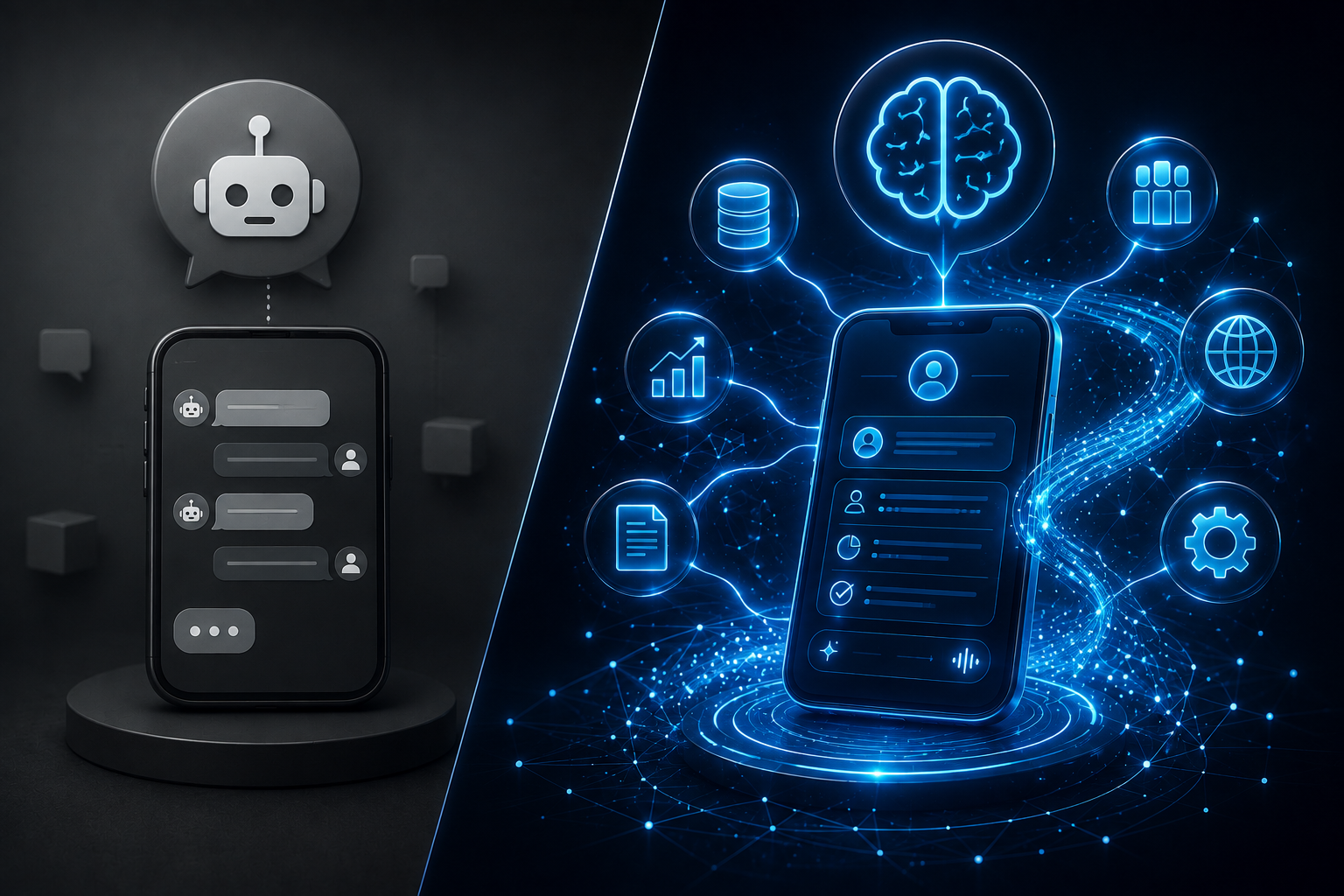
Virtual assistants powered by AI are poised to become an indispensable support for development teams. These AI assistants can handle everything from scheduling meetings and managing project timelines to providing quick access to project documents and answering routine queries.
Conclusion
Incorporating AI into development teams is not just a trend; it's a transformative shift that enhances efficiency, fosters innovation, and drives success. By automating routine tasks, providing deep insights through data analysis, and facilitating more effective communication and collaboration, AI tools enable team members to focus on creative problem-solving and strategic thinking. Embrace AI, and take your team's productivity to the next level.
About this article
Category
AI Transformation
Published
May 7, 2024
Reading time
4 min read
Ready to transform your business?
Talk to our team about AI and software solutions tailored to your industry.
Book a Discovery CallMore articles